Car owners often lump paint protection film and vinyl wrap into the same bucket because both are thin films applied to painted panels. In the bay, they even look similar while being installed. Once you have worked with both, the differences stop being theoretical. The materials handle differently, age differently, and most importantly, they solve different problems. Choosing correctly saves money and keeps your paint and pride intact.
What each product is and how it behaves
Paint protection film is a thermoplastic urethane that relies on impact absorption and abrasion resistance. Think of it as a flexible, transparent shield that sacrifices itself for the paint underneath. Modern films stretch without whitening, self-heal light swirls with heat, and are coated at the factory with a slick top layer that resists staining. Clarity has improved so much over the past decade that well-installed film on a new panel disappears from three feet away.
Vinyl wrap is a pigmented PVC, available in a flood of colors and textures. It is a style tool first, a protective layer second. Wraps are thinner, stiffer, and happier forming smooth curves than diving into deep recesses. The adhesive systems are designed to allow repositioning and bubble release during install, which makes custom color changes practical without a paint booth.
Both materials will follow the prep beneath them. A chip or sanding mark you missed will still be there, just hidden under a layer that makes correction trickier later. That is why experienced shops spend more time on paint correction and decontamination than the untrained eye expects.
Paint protection film in practice
A typical high-quality PPF measures roughly 6 to 10 mils in thickness. The top coat brings chemical resistance to bird droppings and bug acids that would otherwise etch clear coat. I have seen highway-driven hoods peppered with gravel for months where PPF turned scuffed and pitted, yet the paint under a removed test square looked new. That sacrificial behavior is the point. When film dies, it dies in your place.
PPF is happiest on high-impact areas. Bumper covers, full hoods, fenders, mirror caps, rocker panels, and the rear cargo threshold on SUVs are the classic zones. Some owners will do a full-body application. Done well, it is a quiet kind of luxury. You forget it is there until a cart clips your door edge and leaves a mark on the film instead of the paint.
Vinyl wrap in practice
A standard color change wrap is often 2 to 4 mils thick. Some specialty films like textured carbon fiber are slightly thicker, but they are still far thinner than PPF. They resist some marring and very light abrasion, but they are not designed to take gravel at 70 mph or repeated brush with a gritty wash mitt. Their strength is in creative finishes. Matte that looks like powder coat without the maintenance, satin colors that do not exist in paint catalogs, printed livery for a race weekend that peels cleanly when the event is over.
Wrap also allows reversible branding for fleets. If you run a service business and expect to turn over vehicles every three years, wraps can protect resale by sparing your original paint from permanent graphics. Just do not expect wrap to be a substitute for a true paint protection program if the vehicles live on gravel routes.
Durability, warranty, and how they age
Most major PPF brands offer warranties from 5 to 10 years, tied to yellowing, cracking, and adhesive failure. Real-world lifespan depends on climate and care. In desert sun on a black hood, I have seen film lose gloss at year seven. In milder, garage-kept conditions, it still looks fresh at year ten. The self-healing top coats keep swirl haze at bay with normal heat cycles, but they cannot undo deep gouges.
Vinyl wrap warranties usually run 1 to 5 years on vertical panels and can be shorter for horizontal surfaces that cook in the sun. Matte and satin finishes tend to show hand oils and inconsistent washing habits. Glossier wraps hold their look longer if the owner sticks to pH-neutral soaps and avoids aggressive solvents. Edge lift usually signals end-of-life before the film itself structurally fails. When a wrap goes, it looks tired fast, particularly around door handles and trunk seams.
A common aging pattern we watch for with both products is contamination seeping into edges. Pollen, iron fallout, and road tar love seams. That is where routine wash technique and protection top coats matter more than marketing claims.
How installers make or break the result
The best film cannot overcome poor surface prep or a rushed layout. Stretch too aggressively and PPF top coats thin out, which invites premature wear. Trap moisture or dust under a wrap and you will see silvering or tiny pimples once the adhesive cures. Pattern software and plotters help, but hand-knifed relief cuts are still part of clean edge work around complex badges and sensors.
Temperature control in the bay, panel wiping sequences, squeegee pressure, and even how an installer handles the film when pulling from the roll all matter. Cheap soap in the slip solution leaves residue that prevents full adhesive contact. Using strong alcohol too early can lock in misalignment. On the wrap side, failing to edge-seal in high-touch areas is a guarantee that clients will come back with lifted corners.
I tell clients the truth they rarely hear: 70 percent of the outcome is prep, 20 percent is install craft, and 10 percent is the brand of film. The last 10 percent still counts, but it will not rescue the first 90.
Os Pro Auto Detailing case notes: when PPF is the wiser spend
At Os Pro Auto Detailing, we see a steady stream of commuters who do 12,000 to 20,000 miles a year, much of it behind dump trucks or on winter roads salted from November through March. One owner of a dark blue performance sedan came in worried about his front bumper after only four months. The paint already had a peppered look from micro chips. We corrected the bumper with careful touch-up, leveled the area with spot sanding and polish, then installed a pre-cut PPF kit with wrapped edges. He returned the next season smiling. The hood film showed thousands of tiny impacts under shop lights, and the bumper film had one deep gouge that would have been a crater in paint. The car still presented like-new in daylight, which matters to him more than the satisfaction of a respray.
Work trucks that see mulch and gravel routes benefit even more. PPF on rocker panels and behind wheel arches prevents the sandblasting that leads to exposed primer. If you drive through construction weekly or parallel park downtown where bike pedals and strollers graze doors, the calculus favors film. It is less glamorous than a color change, but it saves money and time by keeping paint original and out of the body shop.
Os Pro Auto Detailing on wraps used smartly
There are terrific use cases for vinyl when the owner cares more about appearance or brand identity than about rock chips. Os Pro Auto Detailing wrapped a white coupe in a satin charcoal to escape the sea of identical cars at weekend meets. We corrected the paint lightly first, because good wrap clings better to a clean, smooth substrate, then we installed a satin film that muted reflections. Sixteen months later, the finish still turned heads because the owner learned to wash with plush mitts and keep a dedicated towel just for matte surfaces. He liked that he could return to glossy white paint whenever he wanted without a respray.
We also manage blended solutions. A client wanted a bright color change but commuted on a rural highway. We wrapped the car in a vivid orange, then installed clear PPF on the front bumper, hood leading edge, and rocker panels over the wrap. The result looked intentional and stayed cleaner longer. That hybrid approach demands installer experience because adhesives stack and panel edges get crowded, yet it is often the sweet spot between style and protection.
Surface prep, paint correction, and ceramic coating pairings
Nothing good sticks to a contaminated surface. Even brand-new cars arrive with bonded rail dust and dealer-installed wash marks. A professional decon usually includes iron remover, fine clay work, and a safe solvent pass on tar. Light paint correction follows, with a mild compound to even out dealer swirls and a finishing polish to boost clarity. The goal is not to chase perfection that will disappear under film, but to level ridges that would telegraph through and to increase gloss under clear PPF.
Ceramic coating pairs well with both film and wrap when used correctly. Most modern PPF carries a factory top coat, but adding a dedicated ceramic coating on top adds slickness and eases cleaning. Coatings on matte wraps must be selected carefully to avoid unintended gloss. The right product preserves the texture while improving stain resistance. On bare painted panels that are not filmed or wrapped, a well-applied ceramic coating provides chemical resistance and simplified maintenance, but it is not a substitute for impact protection.
Cost ranges and value math
A full-front PPF package that includes bumper, full hood, full fenders, and mirrors generally lands in the low to mid four figures depending on vehicle size and film brand. A full-body wrap in a premium color can cost a similar amount or more, especially with door jambs and complex disassembly. Regional labor rates and shop skill influence both numbers.
The value calculation is about what you are avoiding. PPF can prevent a respray, which often means several days down and potential mismatch on metallics or pearls. Wrap can postpone a new-car itch for a few years or keep a fleet uniform without destroying resale. Owners who trade frequently lean toward wraps, while long keepers or leased cars with strict return inspections tend to favor PPF on the areas that take abuse.
Edges, seams, and visual telltales
An invisible install is part art, part panel design. Some bumpers simply will not accept a single piece of film without over-stretch. Skilled installers choose where to hide seams, often under grille elements or along body lines. Poorly placed seams reflect in certain light and telegraph as shiny bands. On wraps, edge management separates weekend jobs from professional ones. When you open a door and see jagged relief cuts or inconsistent overlap, it cheapens the result. There is also the reality of white edges on printed wraps; unless the film is cast through-color, cuts can show a white core, which must be planned around.
Expect small differences in orange peel between paint and film. High-gloss PPF has improved significantly, but a paint panel at 20 microns of clear with a ceramic finish still has a slightly different texture than an 8 mil film with a top coat. The trick is to match panels. Do not leave a bare-fender next to a filmed hood if reflections matter to you. Either film both or polish both to a similar look.
Care, maintenance, and repair
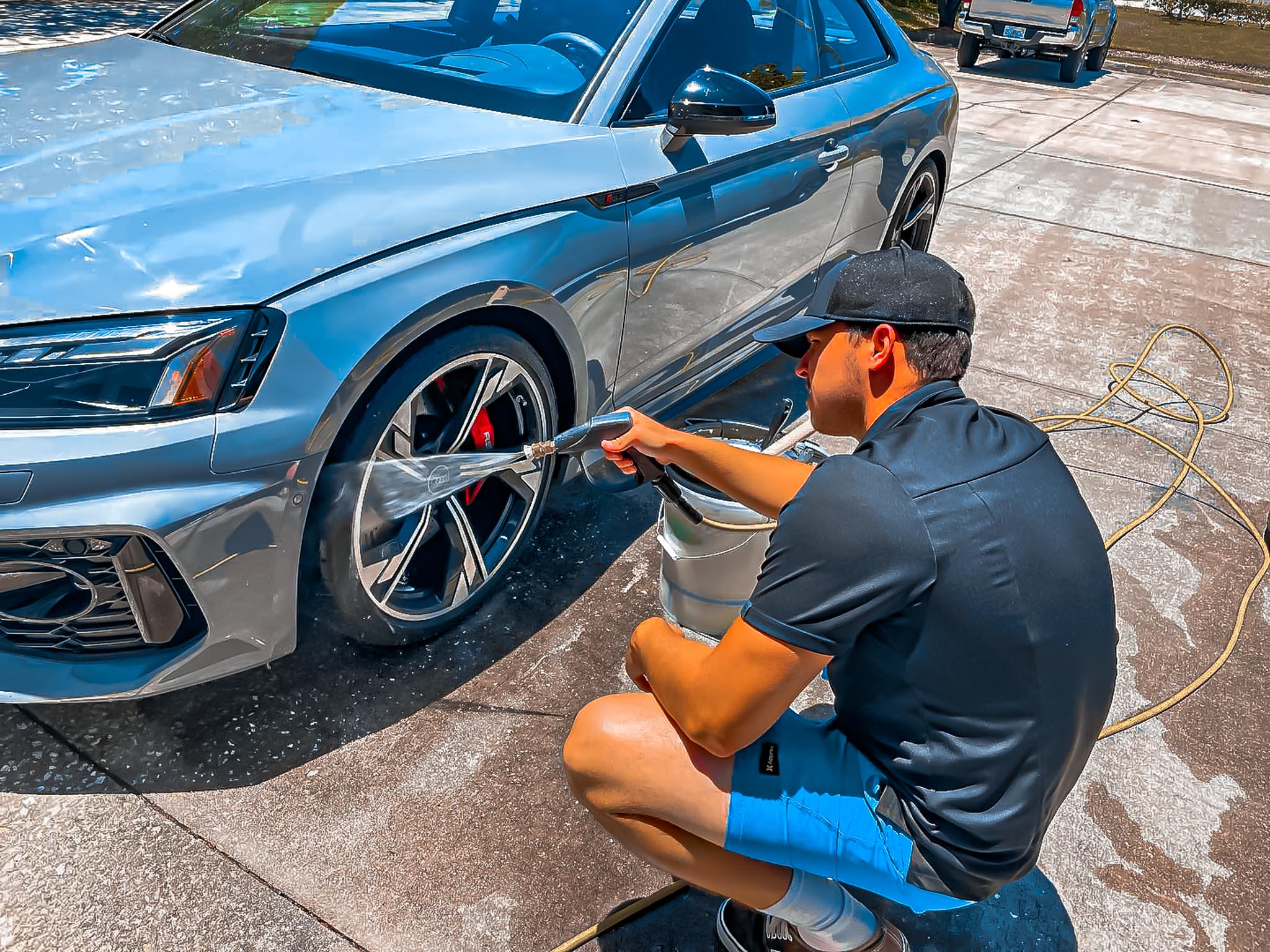
Daily care habits dictate lifespan far more than any brochure promise. Foam pre-wash, gentle mitt, and a two-bucket technique keep grit off the surface. Avoid automatic brushes. For bird droppings and bug splatter on PPF, a warm water soak removes acids before they etch the top coat. On matte wraps, rubbing too hard in a small area can create shiny spots. Use chemical dwell time instead of elbow grease.
When something goes wrong, PPF shines in repairability. A puncture in a small area can be spot replaced if the seam is planned carefully. A wrap panel is often fully replaced for even minor damage because color batches vary slightly, and a patch is almost always visible.
Here is a concise maintenance rhythm that works across both materials:
- Wash weekly or as soon as contamination appears, using pH-neutral soap and soft media. Decontaminate quarterly with a gentle iron remover on PPF and only if approved for your wrap type. Apply a ceramic topper every 3 to 6 months to maintain slickness and hydrophobics. Blot, do not wipe, on matte and satin finishes when drying to prevent sheen changes. Inspect edges and seams monthly, and address any lift before dirt migrates under the film.
Common myths corrected
People often assume PPF will kill gloss, that wraps ruin paint on removal, or that ceramic coating on top of either makes them bulletproof. None of those hold up in the bay. Modern PPF is optically clear enough that the limiting factor in shine is the paint correction done beforehand, not the film. Quality wrap, installed on healthy original paint and removed within its lifespan, leaves paint intact and often better preserved from UV than an exposed panel.
Ceramic coatings improve surface tension and resist chemicals, but they do not make your finish scratch-proof. You still need to manage wash technique and manage expectations. If a gravel truck drops a load, no coating prevents impact chips. That is PPF territory.
Another myth is that you should always film or wrap everything. Partial coverage often delivers 80 percent of the benefit for half the cost. A good shop will help you map risk areas based on your driving, not upsell a blanket solution.
Choosing based on goals: a short decision guide
Boil the choice down to intent and environment. Pick the product that pairs with how you drive and what you value when you walk up to your car.
- Choose PPF if you prioritize protecting original paint from chips, road rash, and abrasion, especially for highway or winter driving. Choose wrap if you want a color or finish change, branding, or temporary style without permanent paintwork. Blend both if you crave a new look but still face high-impact driving, by layering PPF on the nose and rockers over a wrap. Add ceramic coating on top for easier cleaning, matched to gloss or matte as appropriate. Redirect budget to paint correction first if your paint has heavy defects, because film or wrap will not fix poor prep.
Where tint and detailing fit in the bigger picture
Owners sometimes get fixated on the front of the car and forget the inside. A thoughtful window tinting service can protect leather and plastics from UV, reduce cabin heat, and make the daily drive easier on the eyes. It also helps maintain whatever film you choose on the exterior by cutting some of the IR load that bakes horizontal panels while parked.
Routine care closes the loop. A quality car detailing service is not just a wash. Decon, sealant maintenance, and periodic inspection of Os Pro Auto Detailing ceramic coating edges and corners keep film and wrap in spec. Mobile detailing has made this practical for busy owners. If you rely on mobile detailing, make sure the technician understands how to treat matte wraps and PPF top coats, which need different towels and products to avoid adding gloss where you do not want it.
Paint correction is the foundation for both. It smooths orange peel, levels out haze, and sets a high-gloss baseline under PPF, or a clean substrate under wrap. On cars with older or repainted panels, a measured approach matters. Aggressive compounding that thins clear coat too far leaves less margin for the future. Balanced correction paired with film or wrap and a ceramic coating on exposed panels works better for the next five to ten years of ownership.
Real-world trade-offs you can feel
When you rub a microfiber across cured PPF, the glide tells you how it will wash. Cheaper films drag more and load grit, which translates to fine scratch networks over time. Top-tier films feel closer to freshly coated paint. On wraps, you quickly learn which finishes tolerate fingerprints. Gloss is easy. Satin is manageable. True matte needs gentler handling and different shampoos to avoid halos.
Removal time is another tangible trade-off. Removing PPF within its rated life is a steady, careful job. Past its life, adhesive anchors harder to paint and can triple the time. A wrap removed at the right moment often peels in graceful sheets. Wait too long, and it comes off in confetti. That difference alone changes cost of ownership across a decade.
Environmental exposure shapes choices too. Near the coast, salt air corrodes fasteners and seeps into seams. We have learned to seal wrap edges with more diligence there, and to prioritize PPF on lower doors and rear quarters where sandblasting from beach roads is relentless. In snowy climates, road salt eats everything. Film that resists chemical burn is worth more than a fancy color that cannot take a brine bath.
Small details, big outcomes
Sensor arrays and ADAS systems complicate both products. Parking sensors and radar windows on bumpers should not be buried under thick layers unless the film is rated for it. Pattern libraries now carve out those areas, but human judgment is still required when a bumper has been resprayed or repaired. Wrapping door jambs looks cleaner on a color change, yet it adds hours and involves weather seals and trim clips. If your car is leased or under warranty, balance the aesthetic payoff against the risk of broken tabs and fresh rattles.
Sunroof surrounds, A-pillars, and windshield headers take more abuse than owners realize. PPF on those narrow strips prevents drip lines and ladder rash in home garages. On pickups, the top of the tailgate is a hero zone for film. That panel sees toolboxes and mulch bags every weekend. Five years later, removing film from that ledge and seeing perfect paint underneath feels like cheating time.
What matters most when you choose a shop
Ask how they clean. If a shop talks more about film brand than about their prep chemistry and paint correction process, press for details. Request to see a finished car in bright sunlight, not just under shop LEDs. Look for edge finishing on tight curves, uniform gap to rubber seals, and the absence of scalpel nicks on paint. A mature installer will say no to certain requests, like wrapping a sharp inward crease on a bumper in one piece, because experience has taught them where film will fail first.
Shops that handle both PPF and wraps tend to make more nuanced recommendations. They will suggest clear PPF on high-risk zones, consider wrap only where it makes sense, and discuss ceramic coating as a maintenance aid rather than a magic shield. If you hear the same answer to every problem, you are likely hearing a sales script, not a plan.
Bringing it together
PPF and vinyl wrap are different tools. One stands between your paint and the world’s grit. The other changes how your car looks and feels to you and to everyone who sees it. Both can be combined, and both reward careful prep and thoughtful care. In our bays at Os Pro Auto Detailing, the best outcomes come from listening to how and where a car lives, then using the minimum intervention that delivers the owner’s goals. Some weeks that is a stealth full-body PPF on a new SUV with a ceramic coating on top. Other weeks it is a bold satin wrap with clear film armor on the nose, paired with a window tinting service to calm the cabin heat. The right answer is the one that keeps you enjoying your car, not worrying about it, every time you step up to the door handle.
Os Pro Auto Detailing
12748 NE Bel Red Rd, Bellevue, WA 98005
(206) 825-2040
FAQs
How long does ceramic coating last?
Ceramic coating typically lasts between 2 to 5 years, depending on the product used, vehicle condition, and how well the coating is maintained.
What is included in paint correction?
Paint correction involves removing surface imperfections such as swirl marks, light scratches, and oxidation through polishing. This process restores clarity and enhances the overall gloss of your vehicle’s paint.
Is ceramic coating worth it?
Yes, ceramic coating provides long-term protection against UV rays, contaminants, and environmental damage. It also makes cleaning easier and helps maintain your vehicle’s appearance over time.